
Etymology & polysemy
Session: one word, many worlds
The word session is one of those travelling terms which, in just a few syllables, manages to cover realities of astonishing diversity. From the Latin sessio — the act of sitting, the fact of being seated — it carries the original idea of a settled moment, a time set aside to do something together or alone, but always with seriousness and intent.
Over the centuries, session has spread into almost every field of knowledge and human activity. It is found just as much in a professional musician's studio as in a web developer's code, in the chamber of a parliamentary assembly as in the notebook of an urban explorer. Each world has shaped its own interpretation, but the core remains: a session is a delimited time, dedicated to a specific activity, which begins, unfolds and concludes.
1. The session in music: the craft of studio musicians
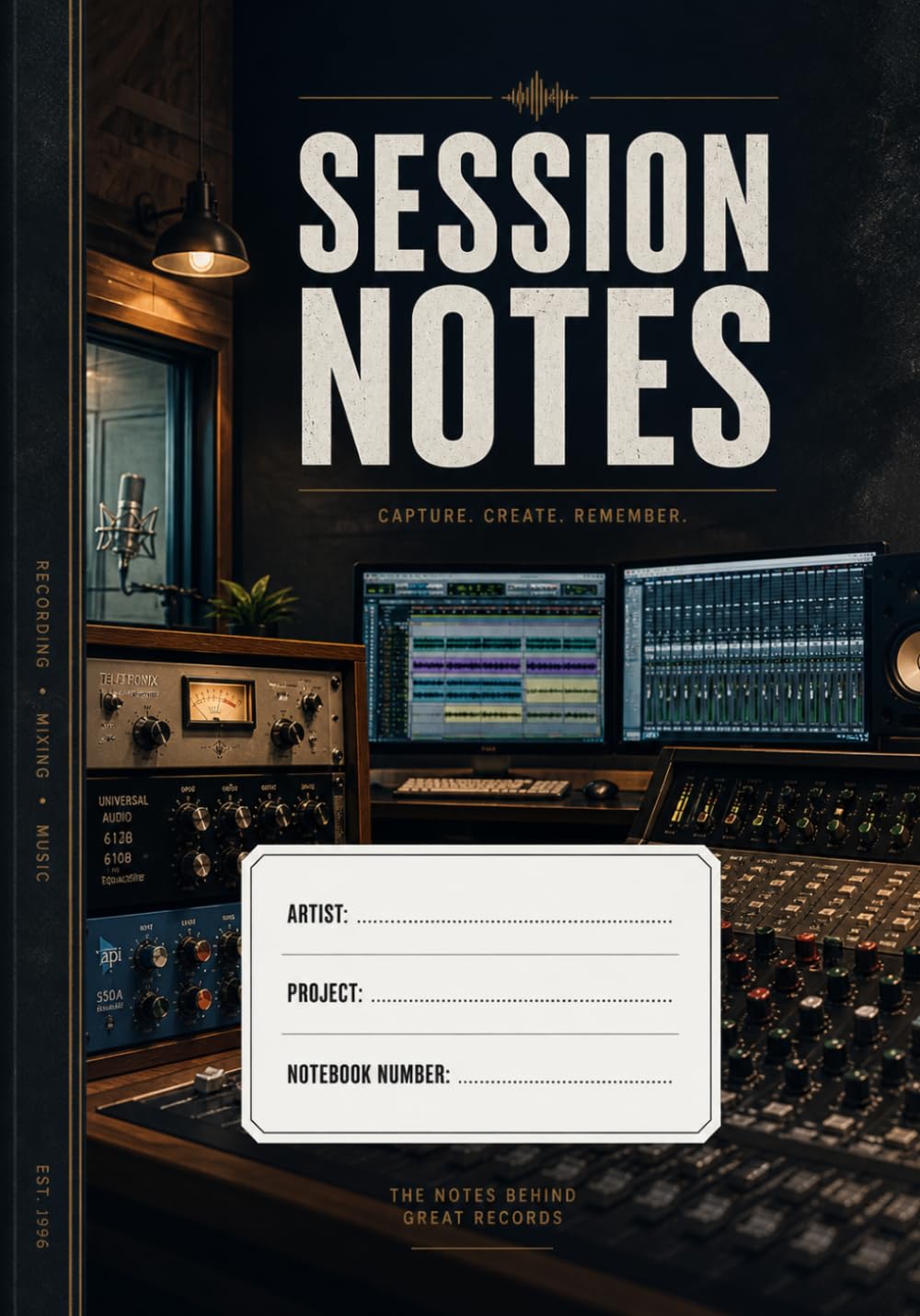
In the music world, session first refers to a studio recording date. The session musician is a highly skilled instrumentalist, capable of playing in any style, sight-reading a score and delivering a flawless take in just a few hours. These musicians, often unsung, are nonetheless the true sonic architects of thousands of worldwide hits.
The history of popular music is dotted with legendary collectives of session musicians. In the United States, the Wrecking Crew of Los Angeles played on hundreds of 1960s hits — from the Beach Boys to Frank Sinatra and Sonny & Cher. In Detroit, the Funk Brothers laid down every rhythm track at Motown, giving birth to the inimitable sound of Marvin Gaye, Stevie Wonder and The Supremes. Further south, in Muscle Shoals, Alabama, a handful of white musicians shaped the groove behind the greatest African-American soul singers, from Aretha Franklin to Wilson Pickett.
Beyond the studio, session also evokes the jam session, that moment of collective improvisation born in the jazz clubs of Harlem in the 1930s. Charlie Parker, Dizzy Gillespie and Thelonious Monk forged bebop during these nocturnal sessions at Minton's Playhouse, where every musician came to challenge the others on stage. The jam session remains today the quintessential ritual of musical transmission: you learn by playing, you measure yourself, you find yourself.
Finally, there is the more intimate rehearsal session, where a band works on its pieces before a concert or recording, and the live session, a video format popular since the 2010s (KEXP, La Blogothèque, Tiny Desk Concerts), which captures an artist in a raw and acoustic performance, stripped of artifice.
2. The session in computing: the ephemeral memory of the web
In computing, the session is a fundamental concept that structures almost all of our digital interactions. Technically, a session is the period during which a user remains identified and recognised by a computer system — a website, an application, a server. Without the session mechanism, you would have to log in again at every click, and any shopping cart would empty as soon as you changed page.
The HTTP protocol, which governs the web, is by nature stateless: it keeps no memory from one request to the next. To get around this amnesia, servers assign each visitor a unique identifier, the session ID, usually stored in a cookie on the browser side or sometimes passed in the URL. On the server side, this session ID points to a memory area (file, database, Redis cache) which holds the associated information: logged-in user, chosen language, cart contents, display preferences.
In PHP, the session_start() instruction initialises this mechanism: the server sends a cookie named by default PHPSESSID to the browser, then fills the $_SESSION superglobal array with the associated data. This very page uses a session to remember the chosen language from one visit to the next. Modern frameworks (Laravel, Symfony, Django, Ruby on Rails, Express.js) all rely on this principle, refining it with encryption, cryptographic signatures and configurable lifetimes.
Session security is a major cybersecurity concern. Several classic attacks target this mechanism: session hijacking (theft of an active session ID), session fixation (forcing a user to use an ID known to the attacker), or cross-site request forgery (CSRF, which exploits an open session to perform actions unbeknownst to the user). Good practices require the use of HttpOnly, Secure and SameSite cookies, regular regeneration of the session ID and automatic expiration after inactivity.
3. Other meanings of the word session
The term session runs through many other domains. In politics, a parliamentary session refers to the period during which an assembly sits to examine bills: in France, the National Assembly holds an ordinary session of nine months a year, from the first working day of October to the last working day of June. The US Congress, the European Parliament and the British House of Commons operate on similar cycles, punctuated by the solemn opening and closing of their sessions.
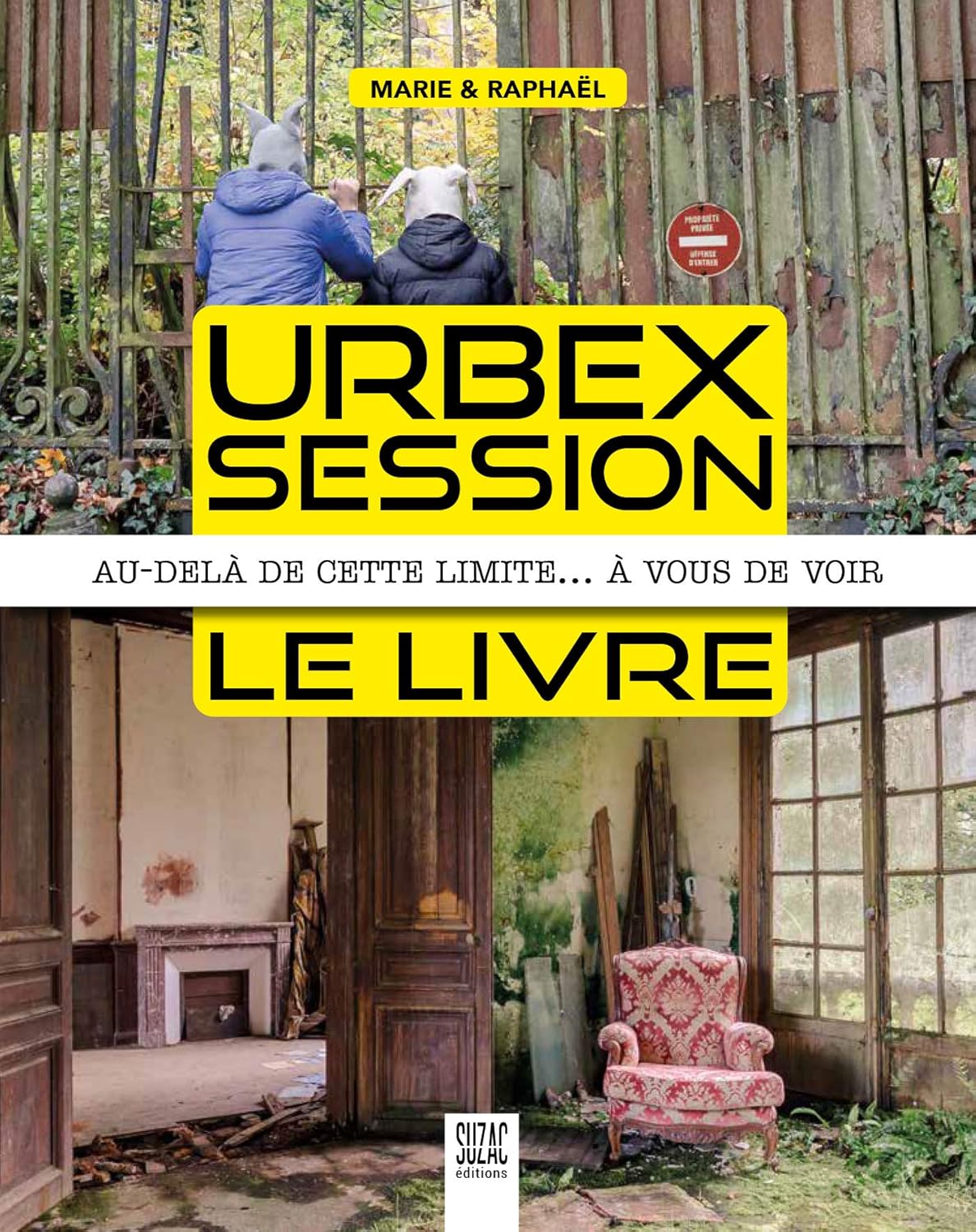
In the world of urbex (urban exploration), an urbex session refers to an expedition to explore an abandoned site — disused factory, closed hospital, ruined castle, ghost subway. Each session is carefully prepared: cartographic scouting, choice of time slot, equipment (headlamp, dust mask, camera), and above all respect for the ethics of the field — take nothing but pictures, leave nothing but footprints. This practice, at the crossroads of documentary photography and adventure, has been booming worldwide since the 2000s thanks to social networks.
Finally, in the educational field, an exam session or university session refers to the period when tests are taken, usually organised twice a year (January session, June session, sometimes a make-up session in September). The word can also designate a period of continuing education or a cycle of intensive courses.
Conclusion: one word, many worlds
Whether we speak of a studio session capturing the creative spark of a guitarist, an HTTP session remembering the choices of a web user, a parliamentary session voting on the laws of a nation, or an urbex session documenting a vanishing heritage — the word session always covers the same fundamental reality: a framed, dedicated, intentional time, where something is at stake. One word, many worlds… and each of them deserves our attention.